How Do I Stretch in a Cramped Venue Without Looking Weird?
Touring musicians and crew know the grind well: loading in heavy gear, cramped green rooms, long drives in vans, and a sleep schedule that’s more suggestion than reality. All of this can take a serious toll on your body in subtle but impactful ways. Yet, trying to stretch or loosen up in tight spaces — think behind the drum kit, or a narrow dressing room hallway — feels awkward and sometimes even embarrassing.
If you’ve ever wondered how to sneak in a proper stretch routine without drawing unwanted attention, you’re not alone. In this post, I’ll break down practical approaches to stretching in those confines, focusing on moves like the doorway chest stretch, hip flexor lunge, and wrist stretches. I’ll also touch on load-in injuries, instrument-specific repetitive strain, van travel stiffness, and why you tour bus bunk sleep need to mind your sleep and adrenaline timing.
Why Stretching Is Crucial on Tour (Even When Space Is Tight)
Touring isn’t a glam “party” — it’s manual labor, with all the risks that come with heavy lifting, awkward postures, and constant movement. Without proper care, the wear and tear manifests as:
- Lower back pain from improper lifting during load-in
- Repetitive strain injuries (RSIs) from instrument-specific movements
- Circulation problems and stiffness caused by long van rides
- Sleep debt that delays recovery and ramps up injury risk
Ignoring these issues only leads to longer downtime and poorer performance.
Load-In Injuries and Safe Lifting: The Foundation
Before we talk stretching, let’s look at how to avoid injuries *while* lifting. Everyone wants to finish load-in fast, but rushing into bad posture puts you on a fast track to strains and sprains.
Safe Lifting Tips
- Use your legs, not your back: Bend at the hips and knees, keeping your spine neutral.
- Plan your path: Visualize where the equipment will go before lifting it.
- Communicate: Make sure your loading partners coordinate for balanced weight distribution.
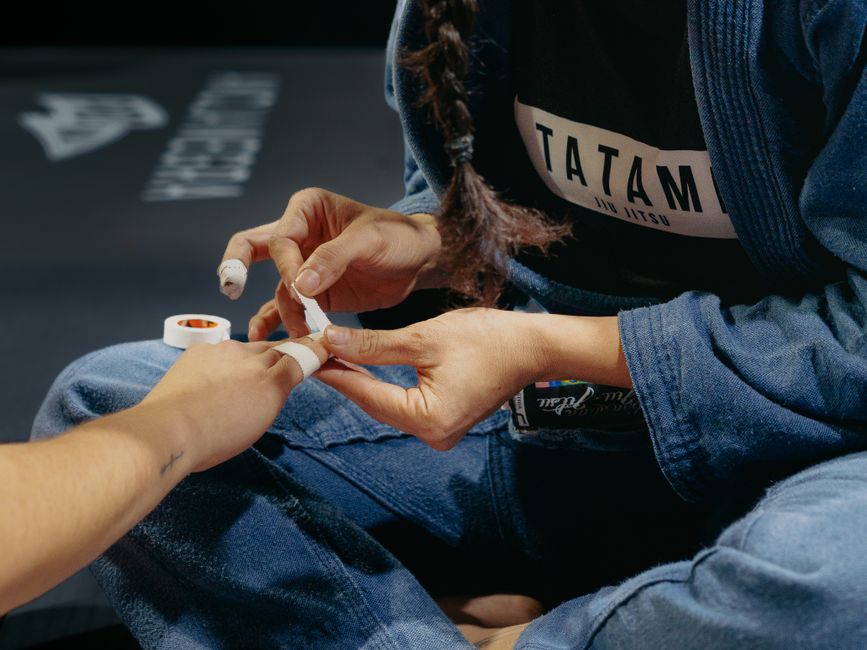
- Use kinesiology tape: I’ve seen many musicians swear by kinesiology tape to support sore muscles or joints during load-in. Applied properly, it can reduce fatigue and provide proprioceptive feedback.
Stretch after Heavy Lifting
When you get a moment during setup, use the doorway chest stretch to counteract all the forward bending and lifting. Here’s how:
- Stand in a doorway and place your forearms on each side of the frame, elbows at about shoulder height.
- Step one foot forward gently, feeling a stretch across your chest and shoulders.
- Hold for 20-30 seconds, then switch foot positions if desired.
This opening stretch helps restore shoulder mobility and prevents hunching—common from heavy load-ins.
Instrument-Specific Strains: Wrist Stretches That Help
Repetitive motions are a given, whether you’re strumming a guitar, pounding piano keys, or whipping a drumstick around. Wrists often pay the price. Skipping wrist mobility can lead to tendonitis or carpal tunnel syndrome.
Simple Wrist Stretches for Tight Spaces
- Wrist Flexor Stretch: Extend one arm in front, palm up. Use the other hand to gently pull fingers back toward you. Hold 20 seconds.
- Wrist Extensor Stretch: Extend one arm, palm down. Pull fingers downward toward you with the opposite hand. Hold 20 seconds.
- Wrist Circles: Slowly rotate wrists clockwise and counterclockwise for 10 seconds each.
These can be done subtly behind the scenes or even while chatting. Just remember to keep movements controlled -- nobody wants to look like they’re in an awkward “hand dance.”
Van Travel Stiffness and Circulation: How to Combat It
Three people, four cases of beer, equipment, and barely enough room to stretch in the van. Sound familiar? Long hours sitting cramped up can lead to poor circulation, stiffness, and muscle cramps.
Portability and Tools to the Rescue
One tool I recommend keeping in your van or green room is a lacrosse ball. It’s a fantastic self-massage tool to target sore spots in the shoulders, glutes, or arches of the feet.
- Sit partially on the lacrosse ball (e.g., upper back against the seat) and gently roll around to release tension.
- Use it sparingly and avoid any sharp pains, focusing on tender spots.
Stretching in a seated position also helps:
- Hip Flexor Lunge Variation: From a seated position in the van, slide one leg back carefully to the floor and slightly shift forward to open up the hip flexor area. You don’t have to kneel; just gently lean forward to get a subtle stretch.
- Seated Spinal Twists: Rotate your torso gently without overwhelming your fellow passengers.
Sleep Debt and Adrenaline Timing: The Hidden Culprits
Adrenaline often carries us through late nights and early mornings. But when it wears off, sleep debt catches up hard — making muscles tight and focus hazy.
Don’t let tiredness become an injury waiting to happen. Here’s what you can do:
- Prioritize sleep, even if it means stepping back from socializing.
- Use CBD products (I’ve personally tried Joy Organics) to promote relaxation and recovery without grogginess.
- Plan stretching and self-care routines during lower adrenaline phases to prevent injuries instead of reacting to pain.
Putting It All Together: Sample Stretch Routine for Cramped Venues
Stretch Description Duration Notes Doorway Chest Stretch Stand in doorway with forearms on frame, step forward to open chest. 20-30 seconds Counteracts hunched posture from lifting and slinging gear. Seated Hip Flexor Lunge (Van) Extend one leg back on ground, lean forward in seat to stretch hip flexors. 15-20 seconds each side Great for circulation and counteracting sitting stiffness. Wrist Stretches Gentle flexor and extensor stretches plus wrist circles. Each stretch 20 seconds, 10 sec circles For instrument-specific strain prevention. Lacrosse Ball Release Roll sore muscle areas against ball to ease tension. 1-2 minutes per area Use carefully to avoid bruising or overdoing it.Final Tips: Keep Your Body Tour-Ready Without Weird Looks
- Make your stretches deliberate but minimal. Small, controlled movements go a long way.
- Pair your physical care with proper hydration (nothing ruins recovery like skipping water).
- Integrate kinesiology tape where needed for support during heavy days.
- Involve bandmates or crew if you can—it normalizes self-care activities backstage.
- Remember, foam earplugs aren’t always enough. Protect your hearing properly so you don’t have to worry about long-term damage.
Touring is hard, but keeping your body mobile and injury-free doesn’t have to be weird or complicated. By including stretches like the doorway chest stretch, hip flexor lunge, and wrist stretches — along with smart tools like lacrosse balls and kinesiology tape — you can stay limber and functioning without looking out of place.
Don’t forget a bit of holistic help, like using quality CBD from Joy Organics, for recovery and stress management. It’s not magic, but it’s legit when it comes to winding down after a punishing day on the tour road.
Stay safe out there, and keep those muscles happy!