How Often Do CBD Brands Post Batch Lab Reports? A Deep Dive into CBD Transparency
In the rapidly expanding world of CBD products, transparency is key. From tinctures to gummies, users want to know what’s inside their bottles—and whether they is 300mg cbd too much even contain what labels claim. One critical tool for this clarity is the batch lab report, also known as a Certificate of Analysis (COA), which details what's in each batch of CBD oil. But how often do CBD brands actually post these reports? And what does that mean for you, especially as concerns around THC, legality, and product efficacy swirl? Let’s unpack these topics and explore what companies like Joy Organics do to maintain consumer trust, how the FDA weighs in on regulation, and how organizations like the World Anti-Doping Agency (WADA) shape the landscape for athletes.
CBD Basics and THC Distinctions
Before diving into batch lab reports, let’s remind ourselves what CBD really is. Cannabidiol (CBD) is a non-psychoactive compound found in hemp and cannabis plants, touted for potential benefits ranging from anxiety relief to improved sleep. It's important to differentiate CBD from THC (tetrahydrocannabinol), which is the psychoactive component responsible for the “high” in marijuana.
Most reputable CBD products come from hemp, which, by legal definition under the 2018 Farm Bill, contains less than 0.3% THC by dry weight. This threshold is crucial because it means products should not produce intoxicating effects. However, a batch lab report helps verify that the THC content is indeed below this legal limit, offering consumers peace of mind.
Why Batch Lab Reports Matter for THC Content
Some less scrupulous brands have been caught selling products with more THC than labeled, sometimes edging into illegal territory, or at least risking a positive drug test. This is why regular testing and posting of COA per batch serve as a guardrail. Consumers can see exactly how much THC, CBD, and other cannabinoids are present, as well as potential contaminants like pesticides, heavy metals, and residual solvents.
Hemp Legality and the 0.3% THC Threshold
Legally, hemp-derived CBD must contain less than 0.3% THC by weight. This number might seem a bit arbitrary, but it became the standard under the 2018 Farm Bill, effectively distinguishing hemp from marijuana. However, enforcement and testing standards vary by state and brand.
Because of this narrow margin, thorough lab testing is vital. The batch lab report not only confirms compliance with the 0.3% limit but also demonstrates commitment to safety and legality. For example, Joy Organics, a well-known brand in the space, publishes batch-specific lab reports on their website to reassure customers that their broad-spectrum CBD products are THC-free or contain only trace amounts below the legal cutoff.
Evidence Strength: Anxiety vs. Sleep vs. Performance
The science behind CBD’s benefits is steadily growing but remains uneven across different uses. Here’s a quick overview:
- Anxiety: A handful of well-controlled studies suggest CBD may reduce social anxiety symptoms and general anxiety disorder in certain doses. However, most studies have small sample sizes and results can be inconsistent.
- Sleep: Mixed results here. Some research indicates CBD may improve sleep quality, particularly for people with anxiety or chronic pain, but other studies show little effect. Dosage and formulation differences complicate the picture.
- Performance: Limited evidence supports the use of CBD for athletic performance or recovery. The World Anti-Doping Agency (WADA) removed CBD from its banned substances list in 2018, recognizing potential therapeutic benefits without psychoactive effects, but research remains preliminary.
Because of these variances in data, consumers and athletes alike need to be cautious about exaggerated claims. Brands that provide detailed batch lab reports and transparency allow users to better tailor their expectations and dosage plans.
Dosing Mismatch Between Studies and Gummies
This is a sticking point for many: the doses used in scientific studies rarely match what’s available in commercial CBD gummies or oils.
Many studies use doses ranging from 100 mg to 600 mg or more of CBD, administered under controlled conditions. In contrast, many over-the-counter gummies contain around 10-25 mg CBD per serving. This discrepancy means that even if studies show benefit at higher doses, typical products may not deliver the same effects unless users consume large quantities—potentially impractical or uneconomical.
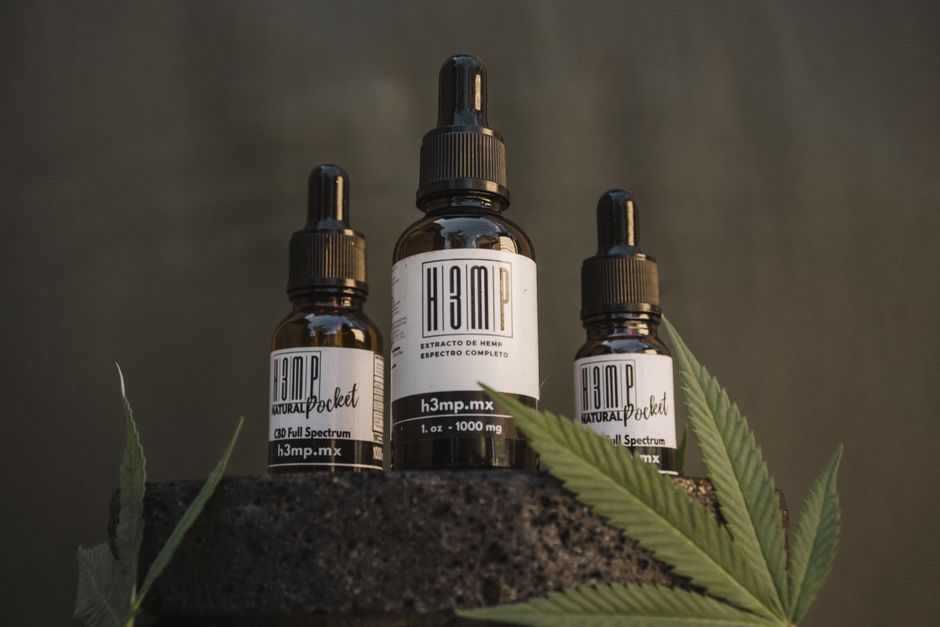
Consumers using gummies sourced from brands like Joy Organics should pay close attention to their COA per batch to verify actual CBD content. It’s not uncommon to find products that underdose relative to study benchmarks or that deliver uneven cannabinoid amounts between batches, highlighting the importance of https://smoothdecorator.com/why-does-cbd-hit-some-people-and-do-nothing-for-others/ consistent testing and transparent batch lab reports.
How Often Do CBD Brands Post Batch Lab Reports?
Now to the big question: how frequently do brands actually post batch lab reports?
Industry standards vary, unfortunately, and there is no federal mandate requiring brands to post COAs for every batch—though the FDA stresses quality control and accurate labeling in its consumer advisories. However, established, reputable brands tend to post lab reports alongside each batch or lot number, providing a transparent snapshot for consumers.
Brand Batch Lab Report Frequency Access Method Notes Joy Organics Every Batch Online via batch-specific link or QR code Full-spectrum and broad-spectrum COAs available; includes cannabinoid profile and contaminants Average CBD Brand Irregular or By Request Sometimes only upon customer inquiry or for select batches Often limited transparency; may cause consumer distrust FDA Expectations Theoretical Standard N/A (Regulation not fully implemented) Calls for batch testing and honesty in labeling but lacks enforceable mandates for COA publicationTo sum up, if a brand isn’t posting a batch lab report for each production run openly, this is a red flag. Consumers should demand access or consider alternatives that prioritize CBD transparency.
What to Look For in a Batch Lab Report
When reviewing a COA, here’s my checklist as a former esports team manager who’s seen gamers obsess over melatonin stacks and CBD oils alike:
- Batch Number & Date: Confirm the report matches the product batch you have.
- Cannabinoid Profile: Total CBD, THC, and other minor cannabinoids listed with mg/g or percentage.
- THC Content: Below 0.3%, ideally “non-detect” for broad-spectrum/THC-free products.
- Contaminants: Tests for pesticides, heavy metals, microbes, residual solvents.
- Third-Party Lab Certification: Independent lab identity and accreditation for trustworthiness.
- Full Spectrum vs Broad Spectrum: Be wary of brands mixing these terms; “full spectrum” doesn’t mean stronger by default.
Final Thoughts: Transparency Is the Best Policy
CBD is an exciting, potentially beneficial supplement—but it carries nuances that require consumers to keep their guard up. Brands like Joy Organics set a high bar by posting batch lab reports for every product run, enabling users to verify contents, THC compliance, and absence of dangerous contaminants. Meanwhile, regulatory bodies like the FDA advocate for honesty but have yet to impose mandatory batch reporting, leaving room for shady practices.
Whether you’re seeking relief from anxiety, sleep support, or exploring CBD for athletic recovery—keeping an eye on batch lab transparency can help you avoid wasting money or risking exposure to unwanted substances. Remember, the dose often matters as much as the compound, so comparing study doses to product mg per serving is crucial for realistic expectations.
Next time you check out a CBD product, ask yourself: Does this brand post a COA per batch? If the answer is no, keep scrolling. Your health and wallet will thank you.
