Why Do Brands Put “Vegan” on the Front but Skip Details on the Back?
Start with the capsule shell. Before you check the headline ingredient, the dosage, or the bright “VEGAN” badge, find out what the product is physically enclosed in. A capsule can contain plant-based ingredients and still use an animal-derived shell. A softgel can look like a simple delivery format while relying on gelatin. And a front-label claim may say less than you think about the rest of the formula.
That gap between a bold front label and a vague back panel is why marketing claim skepticism matters. “Vegan” can be a useful signal, but it is not a substitute for ingredient list verification, capsule material transparency, or a meaningful third-party certification. Here’s how to read the label—and what to ask when it leaves important questions unanswered.
Why the Front Label Is Often More Specific Than the Back
Packaging has limited space, and brands want shoppers to spot a product’s selling points quickly. “Vegan” is short, familiar, and easy to feature on the front. Explaining the origin of glycerin, the composition of a capsule shell, or whether a processing aid was used takes more room—and may require information the brand has not made readily available.
That does not automatically mean a company is hiding something. The claim might refer to the main ingredient, the complete finished product, or a particular ingredient in a line. Those are not interchangeable statements. If the label does not clearly define what “vegan” covers, consumers may reasonably assume it applies to every part of the product, including the capsule, flavoring, coatings, and other minor ingredients.

In the United States, “vegan” does not have a single, generally applicable federal definition for supplement labels. Federal rules still apply to matters such as ingredient declarations and required allergen disclosures, but a front-panel vegan claim is not, by itself, a government certification. That makes the details behind the word important.
Capsule Shells and Softgels Deserve Their Own Check
Hard capsules
Many conventional hard capsules are made from gelatin, which is derived from animal collagen. Plant-based alternatives commonly use hydroxypropyl methylcellulose (HPMC) or other cellulose-based materials. The material should be identifiable on the label or available from the manufacturer. “Capsule” alone is not enough information for someone checking animal-derived ingredients.
Some labels do specify “vegetable capsule” or “cellulose capsule.” That is more helpful than simply listing “capsule,” but you may still want to confirm what the shell is made from if you have strict dietary requirements or need to avoid a particular ingredient. A clear answer should name the material rather than rely on a general impression.
Softgels
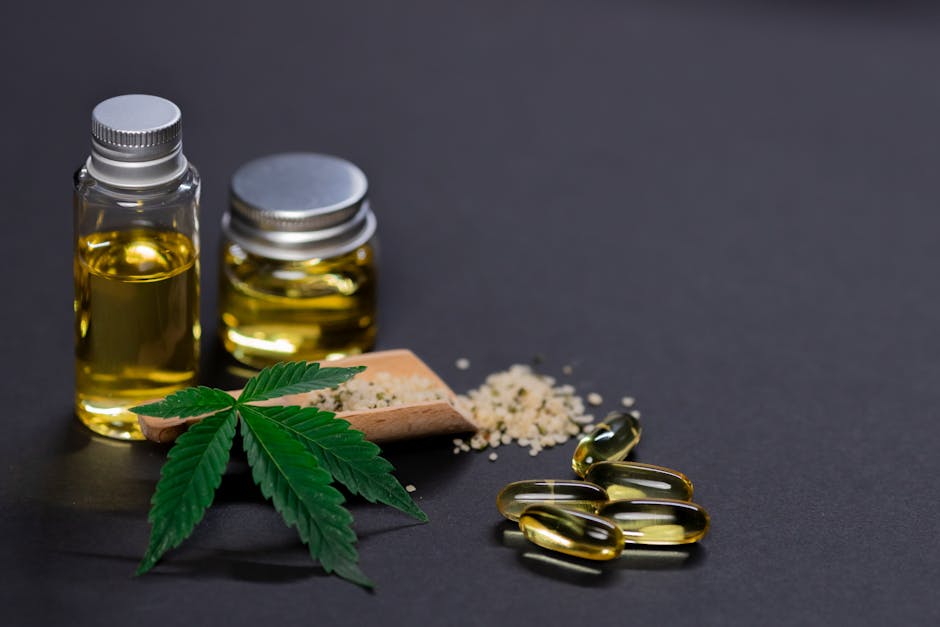
Softgels are frequently made with gelatin, but alternatives exist. Plant-based softgel formulations may use combinations of starches, gums, or other materials. Don’t infer the shell composition from the supplement inside: an algae-based omega-3, for example, does not automatically mean the softgel is vegan.
Also ask about ingredients such as glycerin. It can be made from plant, animal, or synthetic sources. The ingredient name by itself may not tell you which source a supplier used. This is exactly the sort of detail that a short “vegan” badge cannot communicate.
Animal-Derived Ingredients Can Be Easy to Miss
The active ingredient list is only part of the picture. Animal-derived substances may appear in coatings, carriers, flavor systems, or other parts of a formula. Some ingredient names don’t make their source obvious, and sourcing can vary between suppliers or products.
- Gelatin: Often used in capsules and softgels.
- Lanolin-derived vitamin D3: Some vitamin D3 is made from lanolin; vegan D3 may be sourced from lichen.
- Fish oil or marine ingredients: These are animal-derived, even when the rest of a formula is plant-based.
- Beeswax, honey, or shellac: These can appear in coatings, polishing agents, or other product components.
- Carmine: A red coloring made from insects.
- Glycerin, stearic acid, or magnesium stearate: These may have different sources, so ask the brand rather than guessing from the name.
- Natural flavors: The phrase does not tell you whether the flavor system is vegan. Ask the company for clarification; the word “natural” is not a source disclosure.
Some ingredients are not necessarily animal-derived but still merit questions for a particular shopper—for example, because of allergies, dietary standards, or manufacturing practices. Keep those concerns distinct from vegan status. A vegan product is not automatically allergen-free, and the absence of an allergen on the front is no reason to skip the allergen statement on the back.
What a Strong Vegan Claim Should Tell You
Useful labeling answers the practical questions: Does the claim apply to the finished product? Is the shell included? Are processing aids and flavor systems covered? Is the source https://smoothdecorator.com/what-are-the-biggest-red-flags-on-a-vegan-supplement-label/ of potentially variable ingredients confirmed? Brands may choose different ways to share this information, but the answer should be specific and consistent with the ingredient panel.
Third-party certification can add another layer of confidence. The Certified Vegan logo is associated with a third-party certification program. A recognizable mark can help shoppers identify products assessed against a stated standard, but look at the actual product and packaging: confirm the mark is present and current, and check what the certification covers. A company’s general statement that it is “vegan-friendly” is not the same thing as a certified product claim.
For example, if you are comparing a supplement from Joy Organics with another brand, use the same questions for both: What is the shell made from? Does the vegan claim apply to the complete finished product? Can the company confirm the source of glycerin or flavoring? The point is not to assume a company’s answer in advance—it is to seek product-specific details.
“Organic” Does Not Mean “Vegan”
USDA Organic and vegan are different kinds of claims. USDA organic rules govern how certified agricultural products and ingredients are produced, handled, and processed. Organic certification does not mean that a product contains no animal-derived ingredients. Organic standards can permit certain animal-origin inputs, and products with an organic claim may still include animal-derived ingredients.
The percentage of organic content also matters. In broad terms, a product labeled “100 percent organic” must meet that standard for its ingredients, while an “organic” product generally must contain at least 95% organically produced ingredients, subject to the applicable rules and exceptions. Products labeled “made with organic” ingredients generally need at least 70% organic content and follow different labeling rules; they cannot use the USDA Organic seal. Products with less than 70% organic content may identify specific organic ingredients in the ingredient statement but generally cannot make the same front-label organic claim or use the seal.
These categories describe organic content and production requirements, not vegan suitability. So don’t use an organic seal as a shortcut for ingredient list verification. Check both claims separately, and remember that the rules can be more detailed for particular product types and ingredients.
How Batch Lab Reports and a COA Fit In
Testing documents can be valuable, but they answer different questions from a vegan claim. Batch lab reports may show results for particular tests on a particular batch—such as identity, potency, or contaminants. A Certificate of Analysis (COA) may summarize specifications and test results for a batch. Neither document automatically proves that the capsule shell or every ingredient is plant-derived.
Ask what a report actually covers. Is it tied to the lot number on your bottle? Which tests were performed, and by whom? Does the document test the finished product or only a raw ingredient? If animal-origin status is your concern, ask the brand directly for sourcing and formulation documentation; don’t assume a routine purity or potency panel addresses it.
A COA is most useful when it is product- and batch-specific, legible, and clear about its testing scope. If a company shares a lab report, read the methods and results rather than treating the mere existence of a PDF as proof of every marketing claim. Likewise, a certification mark and a COA serve different roles: one may address defined certification criteria, while the other reports analytical results.
A Practical Label-Checking Routine
- Read the capsule material first. Look for gelatin, cellulose, HPMC, or a more specific description. If it only says “capsule,” ask what it is made from.
- Check the full ingredient list. Include inactive ingredients, coatings, flavors, and any listed carriers—not just the active ingredients.
- Read allergen statements. Vegan status does not tell you whether a product contains an allergen or was made in a facility that handles one.
- Look for a defined certification. If you see a third-party mark, verify that it appears on the specific product and understand what it represents.
- Ask about ambiguous sources. Request confirmation for ingredients such as glycerin, stearic acid, and natural flavors when their origin is not clear.
- Use testing documents for the right purpose. Match batch lab reports or a COA to the lot and the tests you care about; don’t treat them as automatic proof of vegan sourcing.
A concise message to a brand could read: “Can you confirm whether this finished product—including the capsule or softgel, flavor system, and processing aids—is free of animal-derived ingredients? Please identify the shell material and the source of glycerin, if present. Does a third party certify this specific product, and can you share a batch-specific COA or lab report showing what was tested?”
How to Treat a Vague Answer
A helpful reply names the relevant materials, addresses the whole product, and distinguishes ingredient sourcing from lab testing. A reply that simply repeats “our product is vegan” without clarifying the shell or ambiguous ingredients leaves the original question unanswered. You can follow up, consult the brand’s published documentation, or choose a product with clearer capsule material transparency.
Consumer publications such as Athleisure Mag may help readers discover products and discuss label claims, but a feature or mention is not a substitute for checking the manufacturer’s product-specific evidence. Use any article, logo, or front-label badge as a starting point—not the final verification step.
The Bottom Line
Brands put “vegan” on the front because it is easy to see and easy to understand. The back of the package may provide less detail because labels are crowded, terminology is broad, and ingredient sourcing can be complicated. For shoppers, that is a reason to ask better questions—not to assume every claim is false or automatically complete.
Check the shell before the actives, inspect the entire ingredient list, and don’t skip allergen statements. Treat USDA Organic as a separate production claim, not a synonym for vegan. Click for source And when a front-label claim leaves you uncertain, look for a relevant third-party certification, ask for capsule material transparency, and use batch lab reports or a Certificate of Analysis (COA) only for the questions those documents actually answer. That is practical marketing claim skepticism: not cynicism, but verification.